
Japanese names that start with Q are rare. The letter Q is not commonly used at the start of traditional Japanese names written in Roman letters. However, many English and foreign names that begin with Q can be written in Japanese.
If you are looking for Japanese names that start with Q for boys, girls, or fictional characters, this guide will help you. You will learn about Q names, Japanese writing systems, name meanings, pronunciation, and Japanese last names.
It is important to know that a name written in Japanese is not always a name that comes from Japan. Some names are English or international names written with Japanese characters.
Are There Japanese Names That Start With Q?
The letter Q is uncommon in traditional Japanese names. Japanese usually uses sounds such as ka, ki, ku, ke, and ko instead of the English letter Q.
Some websites list creative names such as Qiro, Qumi, Quna, and Quenji. However, these names should be checked before they are called traditional Japanese names. Their Japanese origins and meanings may not be confirmed.
Foreign names can also be written in Japanese Katakana. For example, Quinn is an English name that is commonly written as クイン in Japanese.
This means you can find names that start with Q in Japanese writing, even when the names do not come from Japanese culture.
Japanese Names That Start With Q for Boys
Finding traditional Japanese boy names that start with Q can be difficult. Some online name lists include creative spellings, but these names may not have a clear Japanese origin.
Here are some Q names that appear in creative name lists:
- Qiro
- Qichi
- Quenji
- Quoto
- Quma
- Qusei
- Quro
- Qutaro
- Quki
- Queen
These are name ideas to research, not a verified list of traditional Japanese male names.
If you want a real Japanese boy’s name, you can also explore names such as Kaito, Kenji, and Takashi. Their meanings depend on the Kanji characters used to write them.
Before choosing a name, check its original spelling, pronunciation, and cultural background.

Japanese Names That Start With Q for Girls
Japanese girl names that start with Q are also uncommon. Some websites offer creative names, but not every name has a confirmed Japanese origin.
Here are some names found in online Q-name lists:
- Qumi
- Quna
- Quri
- Qina
- Qiko
- Qunae
- Qumiya
- Qurina
- Qume
- Quena
These names can give you ideas for a story or character. However, you should not assume that they are traditional Japanese female names without reliable evidence.
If you want more established Japanese girl names, you can explore Keiko, Kaori, and Yuki. Their meanings may change depending on the characters used to write them.
Japanese Names That Start With Q for Boys and Girls
Some names are used for boys and girls. These are often called unisex names.
Quinn is an example of a name used for different genders in English-speaking cultures. In Japanese Katakana, it is commonly written as クイン.
Other names, such as Qumi and Qiro, may appear in creative name lists. Their origins and use for different genders need to be checked.
When choosing a unisex name, think about its meaning, language, pronunciation, and cultural background. This is especially important if you want the name to sound natural in Japanese.
English Names That Start With Q in Japanese
You do not need a Japanese name to write a name in Japanese. Katakana is commonly used for foreign names and words.
Here are some English names and their common Katakana spellings.
| English name | Japanese Katakana |
| Quinn | クイン |
| Quentin | クエンティン |
| Quincy | クインシー |
| Queen | クイーン |
| Queenie | クイーニー |
| Quinton | クイントン |
| Quill | クイル |
| Qasim | カシム |
These spellings show how the names can be represented in Japanese. They do not mean that the names originally came from Japan.
Japanese spelling may change slightly depending on how a name is pronounced. If you are writing a real person’s name, use their preferred Japanese spelling when possible.
How to Write Q Names in Japanese
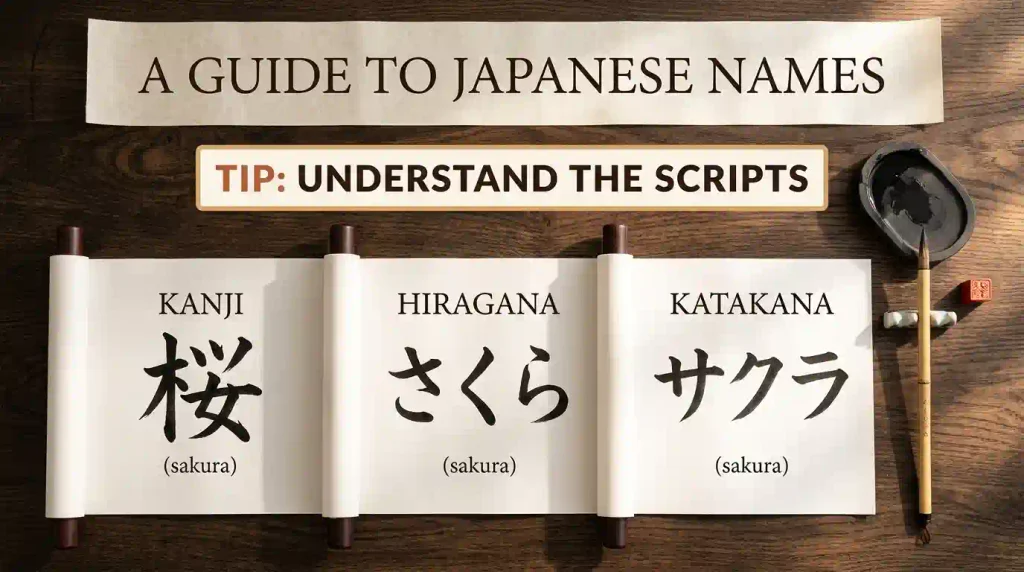
Japanese uses three main writing systems: Hiragana, Katakana, and Kanji. Each system has a different purpose.
Katakana
Katakana is often used for foreign names, borrowed words, and words from other languages.
For example、 Quinn is commonly written as クイン. Quentin can be written as クエンティン.
Katakana is usually the best choice when you want to write an English name in Japanese.
Hiragana
Hiragana is used for many Japanese words and parts of sentences. It can also show how a name sounds.
However, Katakana is usually more suitable for writing foreign names because it is commonly used for names from other languages.
Kanji
Kanji are Japanese characters that carry meanings. Many Japanese names use Kanji, and the meaning can change depending on the characters selected.
Do not give a Q name a Kanji meaning without checking whether the spelling and character combination are correct. A creative name does not automatically have a traditional Japanese meaning.
Romaji
Romaji means writing Japanese sounds with Roman letters, such as the letters used in English.
For example, クイン can be written as kuin. This shows the Japanese pronunciation used for the name Quinn.
Romaji helps people read Japanese words even when they cannot read Japanese characters.
Japanese Pronunciation and Name Spelling
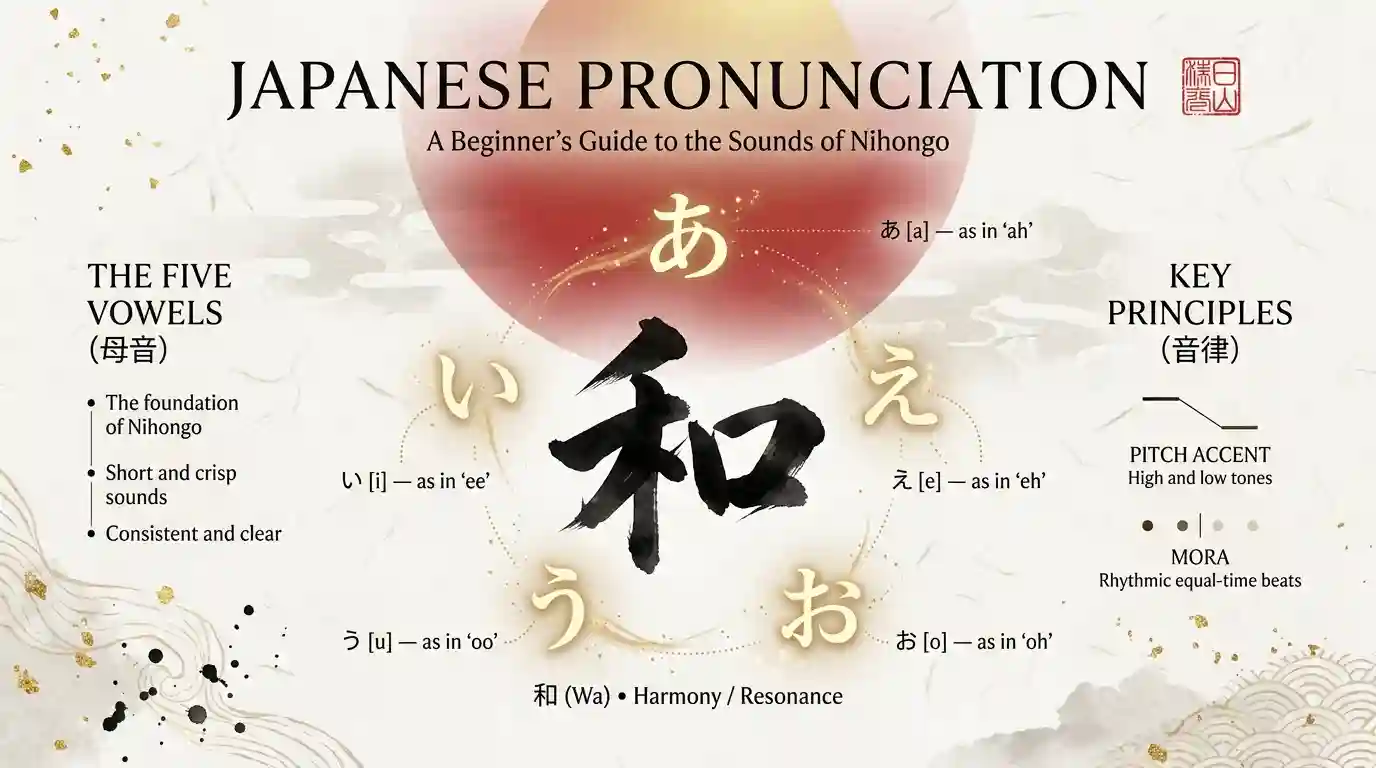
Japanese pronunciation is different from English pronunciation. Japanese uses sound units called morae. These are not always the same as English syllables.
When a foreign name is written in Katakana, the spelling usually follows its sound. Because Japanese and English have different sound systems, a name may sound slightly different in Japanese.
Japanese also uses a long vowel mark, written as ー in Katakana.
For example, Queen is commonly written as クイーン. The mark shows that the vowel sound is held longer.
When you choose a Japanese spelling, think about how the name sounds when spoken. A correct spelling helps other people say the name more easily.
Japanese Last Names That Start With Q
Japanese last names beginning with Q are very uncommon in standard Romanization.
Some online lists include surnames such as Qumura, Qutani, Qukawa, and Qumoto. However, these spellings should not be treated as verified Japanese surnames without reliable sources.
If you need a Japanese last name, look for a trustworthy surname reference. Check the original Japanese characters and the accepted Roman spelling.
Japanese surnames may have different readings, and their meanings can depend on the Kanji. A surname that looks Japanese is not always an authentic Japanese surname.
Japanese Names That Start With K
If you want a traditional Japanese name, looking at names that start with K may give you more choices.
Japanese boy names
- Kaito: A Japanese given name with meanings that depend on the Kanji.
- Kenji: A familiar Japanese male name with different possible Kanji spellings.
- Takashi: A Japanese male name whose meaning depends on the characters used.
Japanese girl names
- Keiko: A familiar Japanese female name with several possible Kanji spellings.
- Kaori: A Japanese female name that can be linked with fragrance when written with suitable Kanji.
- Kiko: A Japanese given name with meanings that depend on its written form.
Always check the exact Kanji before stating the meaning of a Japanese name. The same pronunciation can have more than one meaning.
Japanese Names and Their Meanings
Japanese names can have different meanings even when they sound the same. This happens because different Kanji characters can have different meanings and readings.
Some Japanese names may be linked to nature, beauty, strength, wisdom, or other ideas. However, the meaning depends on the exact spelling.
When researching a Japanese name, check its original spelling, pronunciation, and cultural background. If the name uses Kanji, check the meaning of the chosen characters.
You should also find out whether the name is traditionally used in Japan or is a modern creation. This helps you avoid incorrect meanings and confusing information.
What Are Names That Start With Q?
Many names begin with Q in English and other languages. Some examples are Quinn, Quentin, Quincy, Queenie, and Quinton.
These names do not all have Japanese origins. However, they can often be written in Japanese Katakana.
If you are searching for a name that starts with Q, decide what kind of name you want. You may want a name of Japanese origin, a foreign name written in Japanese, or a creative name for a story or game.
Knowing the difference can help you find a name that fits your needs.
Japanese Words That Start With the Letter U
The Japanese language has many words that begin with the sound U. These are not Q names, but they can help you learn more about Japanese vocabulary.
Here are a few examples:
- Umi (海): Sea.
- Uta (歌): Song.
- Usagi (うさぎ): Rabbit.
- Ume (梅): Japanese plum.
These words have Japanese meanings and are useful for language learners. They also show that Japanese words are based on sounds and writing systems that work differently from English.
Japanese Alphabet Quantity
Japanese does not use an alphabet in exactly the same way as English.
Hiragana has 46 basic characters in the standard modern set. Katakana also has 46 basic characters. Kanji is a separate writing system that uses characters with meanings.
The English letter Q does not have its own separate character in the basic Hiragana or Katakana sets. Foreign names with Q are usually written with Japanese sounds that closely match their pronunciation.
This is why the spelling of an English Q name may look different in Japanese.
What Does Japanese QN Mean?
The letters QN do not have one widely recognized meaning in Japanese by themselves.
Their meaning depends on where they appear. QN could be an abbreviation, a username, a code, or part of a name.
If you saw QN in a text message, on social media, or on a website, check the words around it. The context may help you understand what it means.
Tips for Choosing a Japanese Name
Choosing a name is easier when you understand its meaning and origin.
- Check whether the name has a real Japanese origin.
- Learn how to pronounce it.
- Confirm its spelling in Katakana, Hiragana, or Kanji.
- Check the meaning with a reliable source.
- Decide whether you want a traditional name or a foreign name written in Japanese.
- Ask a knowledgeable Japanese speaker to check the name if cultural accuracy is important.
These simple steps can help you choose a name that suits your purpose.
Frequently Asked Questions
No. Q is uncommon at the start of traditional Japanese names written in Roman letters. Many Q names found online are foreign names or creative name ideas.
Quinn can be written in Japanese Katakana as クイン. However, Quinn is an English name, not a traditional Japanese name.
Online lists may include Qiro, Qichi, and Quenji. Their Japanese origins are not confirmed simply because they appear on a name list.
Creative name lists may include Qumi, Quna, and Qina. Check their origins before describing them as traditional Japanese names.
Quinn is commonly written as クイン in Katakana. This spelling represents the sound of the name.
Japanese surnames beginning with Q are very uncommon in standard Romanization. Check reliable surname sources before using a Q surname as an authentic Japanese family name.
Katakana is often used for foreign names and borrowed words. Kanji are characters that carry meanings and are used in many Japanese names and words.
Yes. You can use a creative Q name for a fictional character. If you want the character to have a culturally accurate Japanese name, research its origin and spelling first.
Final Thoughts
Japanese names that start with Q are rare because Q is not a common starting letter in traditional Japanese Romanization. However, foreign names such as Quinn, Quentin, and Quincy can be written in Japanese Katakana.
If you want a traditional Japanese name, check its original spelling, pronunciation, Kanji, and meaning. If you are choosing a name for a story or game, creative options can also work.
The most important thing is to know the difference between a verified Japanese name, a foreign name written in Japanese, and an invented name. This will help you choose a name that fits your needs.

Aiko Tanaka is a Japanese names writer and cultural editor at JapaneseNameHub.com. She writes about Japanese names, their meanings, kanji, pronunciation, and the traditions behind them.
Aiko enjoys exploring the stories and ideas connected to Japanese names and presenting them in a simple, clear way for readers around the world. Her work focuses on making Japanese names easier to understand while keeping cultural context in mind.